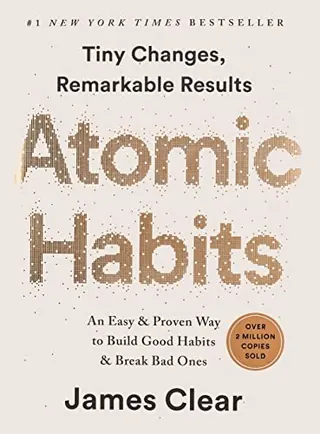
Atomic Habits
Clear takes the research on habit formation and turns it into methods you can actually use: make the habit obvious, attractive, easy, and satisfying, and do the reverse to break the ones that work against you. The core idea is that small, consistent actions compound. A one percent improvement is invisible on any given day and unmistakable over a year or two.
The part I find most useful is his insistence that you do not rise to the level of your goals; you fall to the level of your systems. Goals are cheap. Everyone in a January planning meeting has goals. The organizations and people who actually change are the ones who redesign the environment so the right behavior is the path of least resistance.
I have seen this hold well beyond personal routines. Compliance work is the clearest example from my own world. A certification audit is not passed in the weeks before the auditor arrives; it is passed by whether evidence collection, access reviews, and patching happen as small routine behaviors all year. When we built our security and compliance program at Drummond, the real work was not writing policies. It was turning the policies into small habits owned by specific people, with checklists and calendar triggers doing the job willpower cannot. Clear would recognize the approach immediately, even though he never mentions audits.
The identity framing is the other piece I kept: the goal is not to run a marathon but to become a runner, not to pass an audit but to become a team that operates securely by default. Behavior follows identity more reliably than it follows targets.
If you want lasting change rather than another burst of short-lived motivation, this is the book I recommend first. It is an easy read, but the ideas hold up under real use, which is rarer than it should be.