5 Books Every Technology Leader Should Read in 2026
Five books for leading through constant change: owning outcomes, creating operational discipline, building trust, understanding AI, and navigating uncertainty.
Read the recommendation →Books that have shaped how I lead teams, set strategy, and think about technology's role in a business. I keep the list short and update it occasionally.
Five books for leading through constant change: owning outcomes, creating operational discipline, building trust, understanding AI, and navigating uncertainty.
Read the recommendation →Gore and Lehfeldt's practical guide to full personal accountability, and why the toolkit matters more than the slogan.
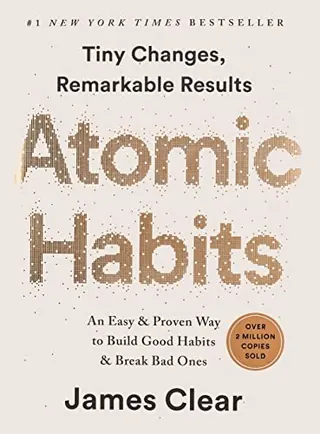
Read the recommendation →Clear turns habit research into usable systems; small changes compound, and that holds for teams and compliance programs as well as personal routines.
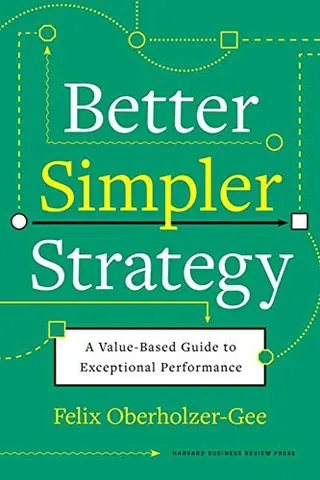
Read the recommendation →Oberholzer-Gee reduces strategy to a single value framework you can hold in your head, which is exactly what makes it usable in a real meeting.
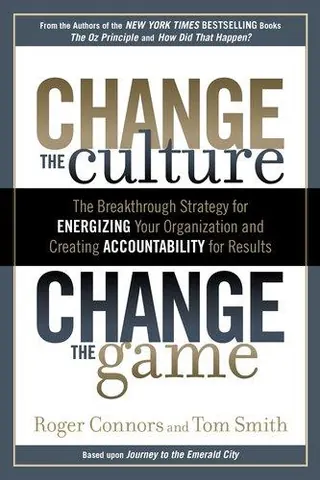
Read the recommendation →Connors and Smith show that results come from beliefs and experiences, not slogans; change what people experience and the culture follows.
Read the recommendation →A Team Trek field guide arguing that culture is the sum of individual character, with practical steps toward a workplace built on trust and respect.
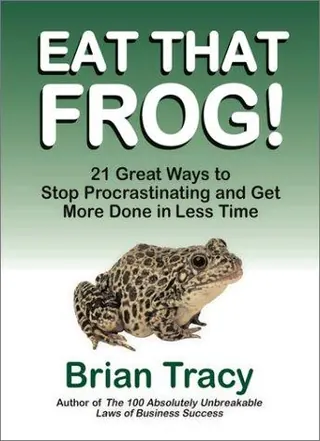
Read the recommendation →Tracy's 21 short techniques against procrastination, built on one rule: do the hardest, most important task first, before the day takes over.
Read the recommendation →Willink and Babin's uncompromising case that leaders own everything in their world, plus the underrated second half on decentralized command.
Read the recommendation →Collins's research on what separates great companies from good ones; the people-first discipline has proven the most durable idea in my own work.
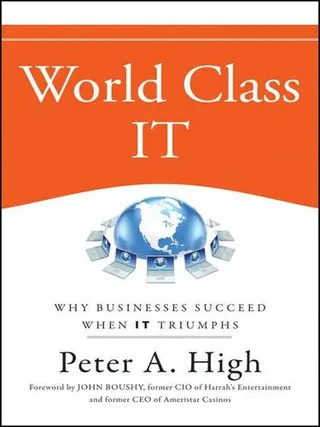
Read the recommendation →High's execution-focused guide to building IT strategy from the business plan outward, the closest book on this shelf to my actual job description.
Read the recommendation →Sobel and Panas show how the right question opens a conversation that a pitch never will, with short stories of each question in use.
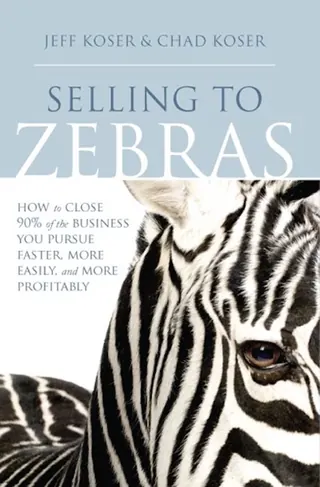
Read the recommendation →The Kosers on why most sales effort is wasted on the wrong prospects, and how a precise ideal customer profile changes the whole operation.
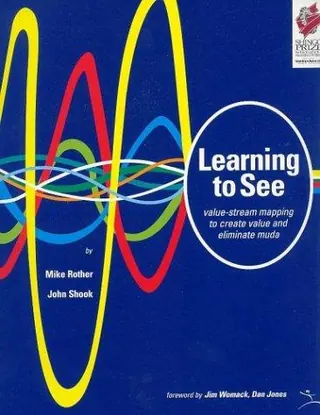
Read the recommendation →Rother and Shook's field manual on value stream mapping: map the current state, design the future state, and find the waste hiding between them.
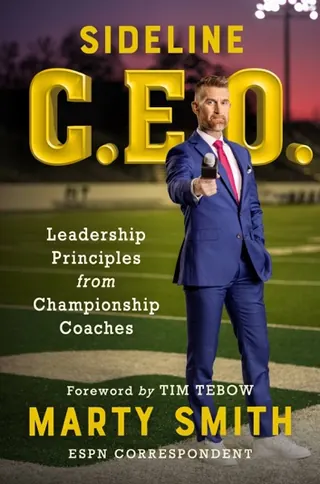
Read the recommendation →Smith interviews winning coaches about motivation, pressure, and culture; leaders whose results are on a public scoreboard every week.
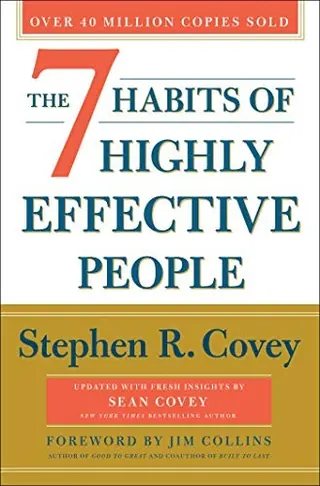
Read the recommendation →Covey's principle-centered approach to effectiveness, built on character rather than technique. Still the foundation decades later.
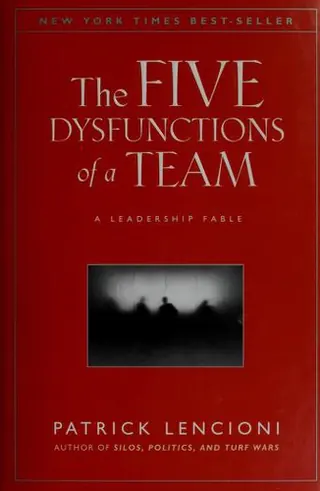
Read the recommendation →Lencioni's fable about why teams fail, starting with absence of trust. A model I have returned to when building leadership teams.
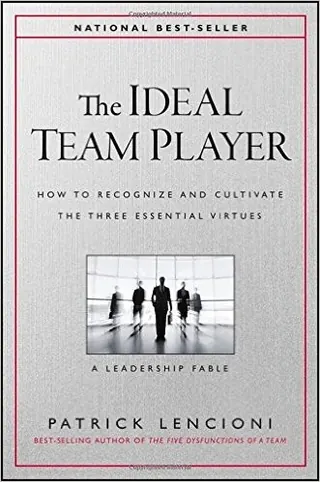
Read the recommendation →Lencioni's three virtues of a strong team member, humble, hungry, and smart about people, and what happens when one is missing.
Read the recommendation →Gillis offers a simple formula for quantifying your workplace contribution, so you can talk about your value in numbers instead of adjectives.
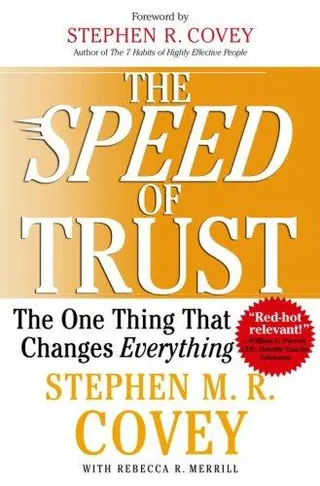
Read the recommendation →Covey makes the case that trust is an economic driver, not a soft skill. This book changed how I approach leadership relationships.
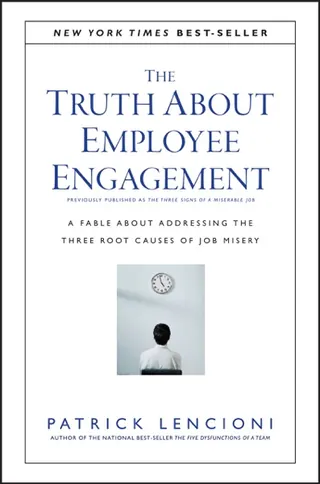
Read the recommendation →Lencioni's fable on the three root causes of job misery: anonymity, irrelevance, and immeasurement, and why the fixes sit with the manager.
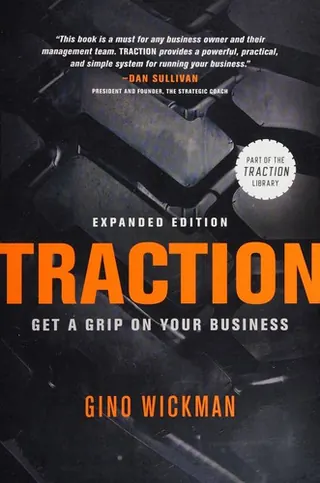
Read the recommendation →Wickman's Entrepreneurial Operating System: plain tools for running a business on vision, people, data, issues, process, and traction.
Read the recommendation →High's five principles for running an IT organization, ordered from people and infrastructure up through strategic business alignment.
Read the recommendation →