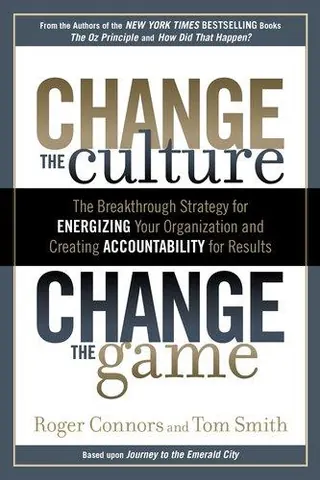
Change the Culture, Change the Game
Connors and Smith look at how organizational culture drives business performance, and they lay out a methodology for building accountability at every level so that people genuinely own their outcomes. The core model is the Results Pyramid: experiences shape beliefs, beliefs drive actions, and actions produce results. Most leaders try to change results by mandating new actions. The book argues you have to go deeper and change the experiences that formed the old beliefs, or the old actions come right back the moment you stop pushing.
The premise has held up everywhere I have led: when culture shifts, results follow, and chasing metrics without addressing the culture that produces them is treating symptoms. The clearest example from my own work is service culture. When a support team believes their job is closing tickets, you get closed tickets and unhappy clients. When they believe their job is keeping a client’s business running, the same people make different decisions hour by hour, without new policies. At Drummond we took client issue resolution from about eight business days to under two business hours, and the process changes were the smaller half of that. The larger half was exactly what Connors and Smith describe: giving the team new experiences, letting clients’ reactions reach them directly, until the belief about what the job was actually changed.
The book’s weakness is the consulting vocabulary; there is a lot of branded terminology, and you have to translate it into plain language before using it with a real team. The ideas survive the translation.
Useful for leaders who want a culture of responsibility rather than compliance, and who are patient enough to work at the level of beliefs instead of announcements. It pairs naturally with the accountability books on this shelf; this is the one that scales the idea from a person to an organization.